RFCC Vacuum Insulated Gas Cylinder Maintenance Guide
RFCC Dewar Bottle Maintenance Guide
In the storage and transportation of cryogenic liquids, the vacuum performance of Dewar flasks (welded insulated gas cylinders) directly affects the cold insulation effect and operational safety.
When the equipment exhibits frosting, increased evaporation, or abnormally high pressure, it may indicate a deterioration in the vacuum layer performance.
So, can Dewar flasks be inspected independently? How is vacuum maintenance performed?
This article will provide a detailed explanation.
Step 1: Remove the protective cover from the Dewar flas
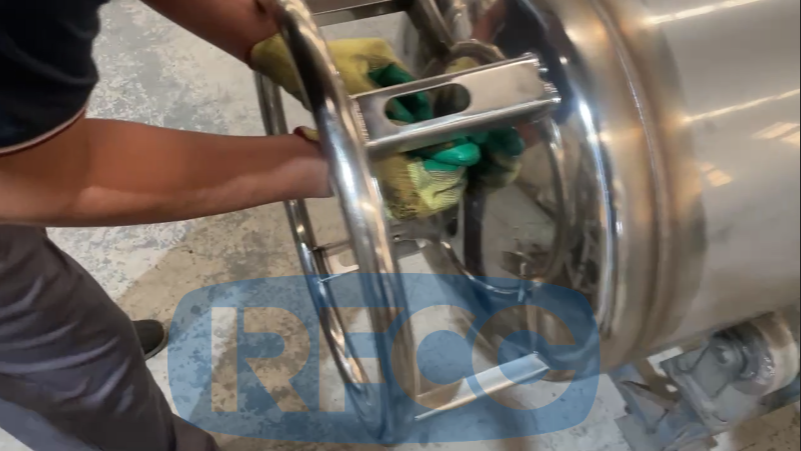
Step 2: Connect and secure the Dewar flask to the fixture.
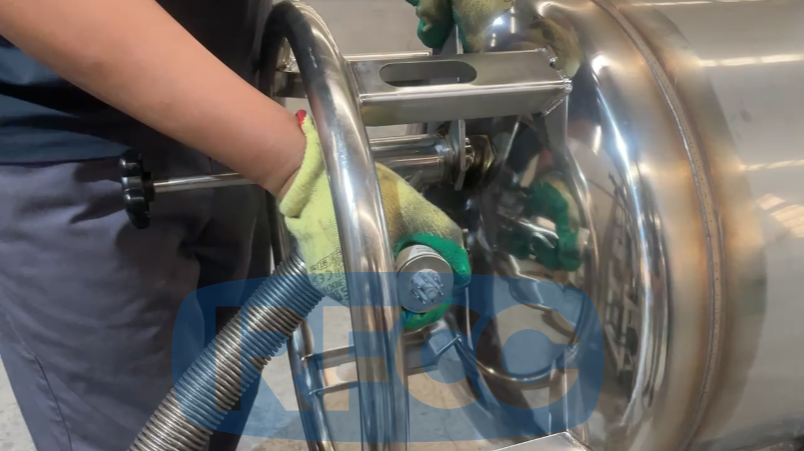
Step 3: Push the lever inward and rotate it counterclockwise to tighten it, then start the molecular pump and the vacuum pump.
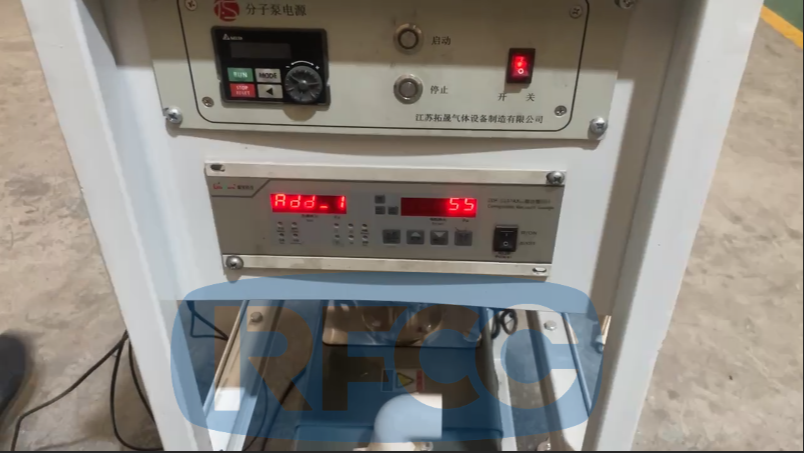
Step 4: Rotate to open the valve on the equipment, evacuate the vacuum in the pipeline, and start the molecular pump after the display shows 0.
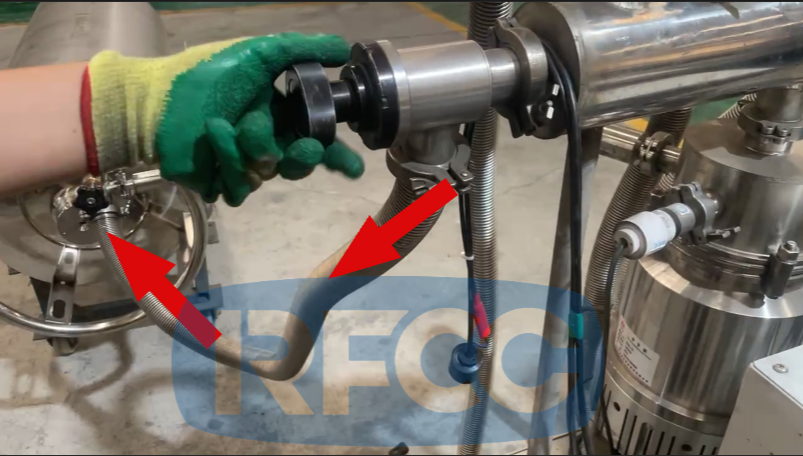
Step 5: Insert the ionization gauge to measure the vacuum level inside the pipe.
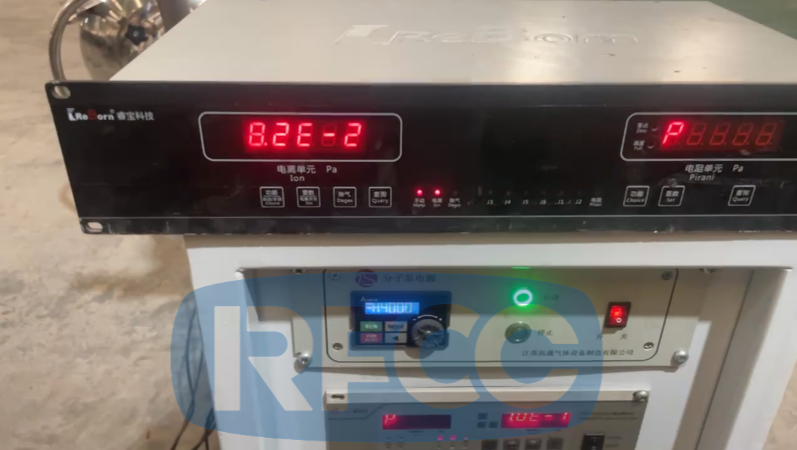
Step 6: Rotate and pull out the Dewar flask here. Once the value stabilizes at -2, turn off the ionization gauge.
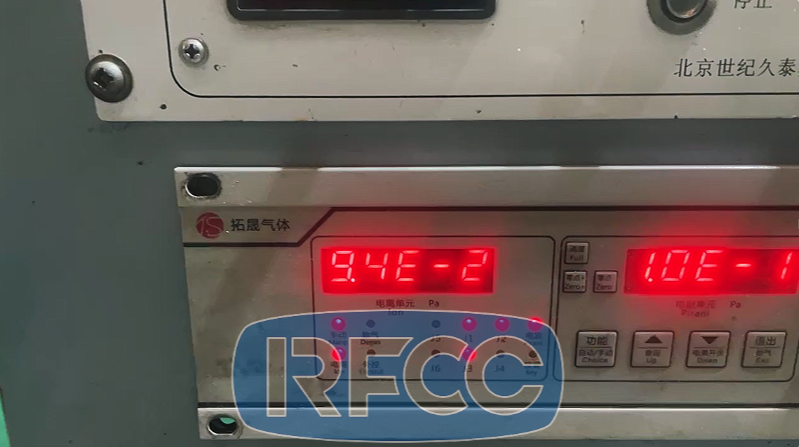
Step 7: Open the valve and observe whether the equipment is operating normally. The vacuuming operation of the Dewar flask will be completed in 2-3 hours.
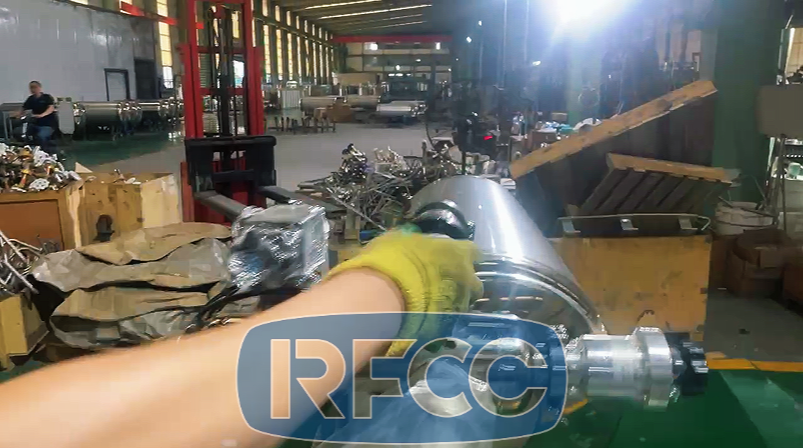
Step 8: Push the lever on one side of the Dewar flask back and tighten it by rotating it to turn off the vacuum pump.
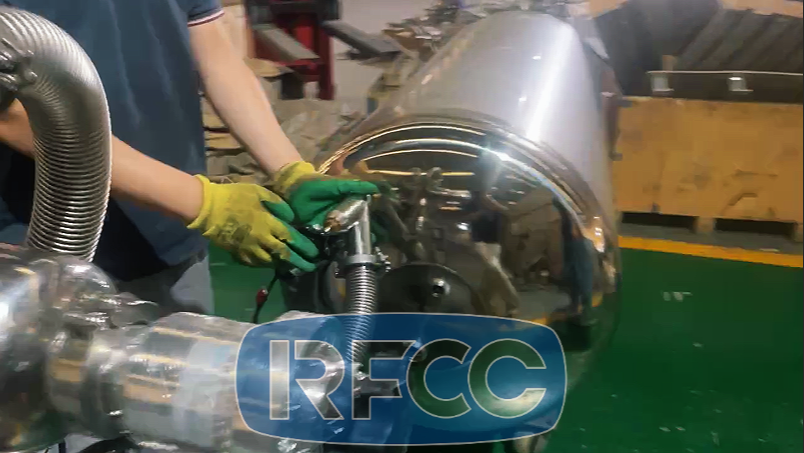
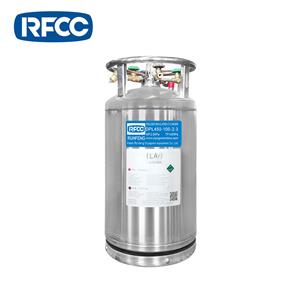
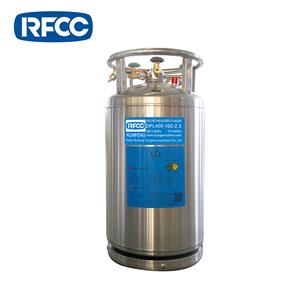
RFCC Dewar Bottle High Vacuum Multi-Layer Wrapped Insulation Technology
Product Features:
1. Long vacuum holding time
2. Low daily evaporation rate
3. Stable cold retention performance
4. Safe and reliable
5. Long service life
Current product specifications cover: 80L---1000L
Widely used in:
1. Industrial gases
2. Medical oxygen supply
3. Laboratory experiments
4. Bioengineering
5. Food freezing
6. Cryogenic transportation, and many other industries.
The core of a Dewar flask lies in its vacuum insulation system.
Once the vacuum performance deteriorates, it not only increases liquid loss but may also affect equipment safety and operational stability.
Therefore, users are advised to: regularly check the equipment status, monitor frost and evaporation, and perform timely vacuum maintenance.