What Makes a CO2 Cylinder Safe for High-Pressure Use?
Imagine a bustling craft brewery in Portland, where the production line halts abruptly because a CO2 cylinder fails a routine pressure test. Or a hospital in Berlin where a medical CO2 cylinder shows inconsistent flow during a critical procedure. These scenarios highlight a pressing question: What makes a CO2 cylinder safe for high-pressure use? The answer lies in a combination of robust material selection, precise manufacturing standards, rigorous testing, and proper maintenance. In this blog, we delve into the technical details that ensure safety and reliability, drawing on the expertise of Hebei Runfeng Low Temperature Equipment Co., Ltd., a leader in CO2 cylinder manufacturing.
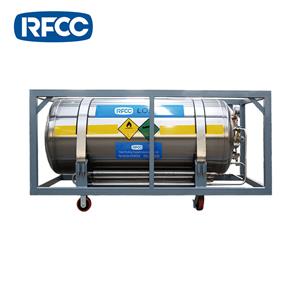
CO2 cylinders are ubiquitous in industries ranging from beverage carbonation to medical applications, but their safety under high pressure is non-negotiable. High-pressure CO2 cylinders typically operate at pressures up to 2,000 psi (about 138 bar), and any weakness can lead to catastrophic failure. The key to safety is a holistic approach that addresses design, material, manufacturing, and testing. Hebei Runfeng Low Temperature Equipment Co., Ltd. has been at the forefront of this field, producing cylinders that meet and exceed international standards such as DOT, ISO, and TPED. Their cylinders are engineered with high-strength materials, precision threading, and advanced safety features like burst discs and pressure relief valves.
In this comprehensive guide, we will explore the common pain points faced by industries relying on CO2 cylinders, provide detailed solutions, share real-world customer success stories, and answer frequently asked questions. Whether you are an engineer, procurement manager, or safety officer, this blog aims to equip you with the knowledge to make informed decisions about CO2 cylinder safety.
Pain Point 1: Material Degradation and Corrosion
One of the most insidious threats to CO2 cylinder safety is material degradation, often caused by corrosion. CO2, when combined with moisture, forms carbonic acid, which can corrode the inner walls of a cylinder. This is particularly problematic in industries where cylinders are exposed to humid environments or where CO2 purity is compromised. For example, in a seafood processing plant in Norway, cylinders used for stunning fish are frequently exposed to saltwater spray, accelerating corrosion. The consequences are severe: a corroded cylinder may develop pinhole leaks or, worse, rupture under pressure. The cost implications are staggering—downtime, equipment damage, and potential injuries can run into hundreds of thousands of dollars, not to mention regulatory fines and reputational damage.
Another scenario is in the beverage industry, where cylinders are used to carbonate drinks. If corrosion occurs, it can contaminate the product, leading to batch recalls. A mid-sized brewery in California reported a loss of $50,000 in one incident due to a corroded cylinder that released rust particles into the beverage line. The root cause was traced to inadequate internal coatings and poor drying practices after hydrostatic testing.
Corrosion also poses a hidden risk: it reduces the cylinder's wall thickness, lowering its pressure rating. Regular visual inspections may not catch internal corrosion, making it a silent killer. According to a study by the European Industrial Gases Association (EIGA), corrosion-related failures account for nearly 20% of CO2 cylinder incidents in Europe.
Solution: Advanced Materials and Protective Coatings
To combat material degradation, Hebei Runfeng Low Temperature Equipment Co., Ltd. employs high-grade materials and advanced coatings. Their cylinders are manufactured from seamless steel or aluminum alloy, chosen for their strength and corrosion resistance. For applications where moisture is a concern, they offer internal coatings such as epoxy or zinc-rich primers that provide a barrier against carbonic acid. These coatings are applied using a rigorous process that includes surface preparation, multiple coating layers, and curing at controlled temperatures to ensure uniformity and adhesion.
Moreover, the company uses a proprietary passivation treatment for stainless steel cylinders, which enhances the formation of a passive oxide layer, significantly reducing corrosion risk. This treatment involves dipping the cylinder in a nitric acid solution, followed by thorough rinsing and drying. The result is a surface that resists corrosion even in harsh environments.
In addition to coatings, Hebei Runfeng implements strict quality control during manufacturing to prevent defects that could lead to corrosion. For instance, all welds are inspected using radiographic testing to ensure they are free from porosity and cracks. The cylinders are also subjected to a hydrostatic test at 1.5 times the working pressure, followed by a thorough drying process using dry air or nitrogen to eliminate residual moisture.
For customers in corrosive environments, the company recommends regular maintenance, including internal inspections using borescopes and moisture traps in the gas lines. By combining material science with practical maintenance, Hebei Runfeng helps customers extend cylinder life and ensure safety.
Pain Point 2: Valve and Thread Failures
The valve and thread connection are critical points of failure in CO2 cylinders. A loose or damaged valve can lead to leaks, and in high-pressure applications, even a minor leak can escalate quickly. In a welding shop in Texas, a cylinder with a faulty valve thread caused a sudden release of CO2, creating a hazard for workers and damaging equipment. The cost of the incident was estimated at $30,000, including repairs and lost productivity.
Thread failures often stem from improper handling or cross-threading during valve installation. In a medical setting, such as a hospital in Tokyo, a cross-threaded valve on a CO2 cylinder used for insufflation during surgery could result in a delay in a critical procedure, risking patient safety. The hospital reported a near-miss incident that prompted a review of their cylinder handling procedures.
Another issue is valve corrosion, which can cause the valve to seize or leak. In the food and beverage industry, where cylinders are frequently connected and disconnected, valve wear is common. A dairy in Wisconsin experienced a leak from a corroded valve, leading to a loss of CO2 inventory and a temporary shutdown of their packaging line, costing approximately $20,000.
Solution: Precision Engineering and Robust Valve Design
Hebei Runfeng Low Temperature Equipment Co., Ltd. addresses valve and thread issues through precision engineering and high-quality components. Their cylinders feature valves made from solid brass, known for its corrosion resistance and durability. Solid brass valves are less prone to galling and provide a tight seal, reducing leak risks. The threads are machined to exact tolerances using CNC technology, ensuring compatibility with standard regulators and preventing cross-threading.
Each valve is tested for leak-tightness using helium mass spectrometry, which can detect leaks as small as 1x10^-9 cc/sec. This level of precision ensures that valves meet the highest safety standards. Additionally, the company offers valves with integrated pressure relief devices (PRDs) that automatically release pressure if it exceeds a safe limit, preventing catastrophic failure.
To further enhance safety, Hebei Runfeng provides cylinders with valve protection caps and handles, which shield the valve during transport and storage. They also offer training and guidelines for proper valve installation and handling, emphasizing the importance of using torque wrenches and avoiding over-tightening.
For customers in high-traffic industries, the company recommends regular valve maintenance, including inspection for wear and replacement of seals. By choosing cylinders with solid brass valves and precision threads, businesses can significantly reduce the risk of valve-related incidents.
Pain Point 3: Inadequate Testing and Certification
Compliance with testing and certification standards is non-negotiable for CO2 cylinder safety. However, many industries struggle with inadequate testing protocols, leading to cylinders that are not fit for high-pressure service. In a chemical plant in Germany, a CO2 cylinder that had not been properly hydrostatically tested ruptured during filling, causing injuries and extensive damage. The investigation revealed that the cylinder had missed its periodic requalification due to a record-keeping error. The cost of the incident exceeded $100,000, including medical expenses, repairs, and regulatory penalties.
In another case, a fire extinguisher servicing company in Australia used cylinders that lacked proper certification, resulting in a failed audit and a temporary suspension of operations. The company faced a loss of contracts and had to invest heavily in recertification, costing over $50,000.
Inadequate testing also affects product quality. In the beverage industry, if cylinders are not properly cleaned and tested, they can introduce contaminants that affect taste and shelf life. A winery in France reported a batch of sparkling wine with off-flavors due to a contaminated CO2 cylinder, leading to a recall and a loss of $80,000.
Solution: Comprehensive Testing and Certification Programs
Hebei Runfeng Low Temperature Equipment Co., Ltd. ensures safety through a comprehensive testing and certification program. Every cylinder undergoes a series of tests, including hydrostatic testing, ultrasonic examination, and leak detection. The hydrostatic test is performed at 1.5 times the working pressure and includes a volumetric expansion test to detect permanent deformation. Ultrasonic examination is used to check for internal defects such as cracks or inclusions that could compromise integrity.
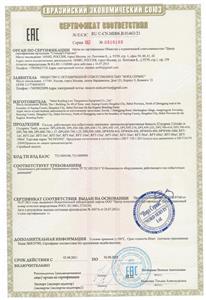
The company also provides full traceability, with each cylinder marked with a unique serial number and accompanied by a certificate of conformity. They maintain detailed records of all tests and can provide documentation for regulatory audits. For periodic requalification, Hebei Runfeng offers retesting services and can guide customers on compliance with local regulations such as DOT in the US, TPED in Europe, and ISO standards globally.
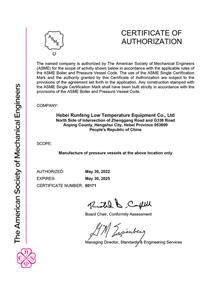
In addition, the company has a quality management system certified to ISO 9001, ensuring consistent quality across all processes. Their cylinders are approved by major classification societies and notified bodies, giving customers confidence in their safety and reliability.
To support customers, Hebei Runfeng provides training on proper testing procedures and helps set up maintenance schedules. By partnering with a manufacturer that prioritizes testing and certification, businesses can avoid the pitfalls of non-compliance and ensure safe operations.
Customer Success Stories
Case 1: Craft Brewery in Portland, Oregon, USA
Portland Brewing Co. faced frequent cylinder failures due to corrosion, leading to production downtime and product recalls. They switched to Hebei Runfeng's internally coated CO2 cylinders and implemented a regular maintenance schedule. After one year, they reported a 90% reduction in cylinder-related incidents and a 15% increase in production efficiency. "Hebei Runfeng's cylinders have been a game-changer for us," said John Matthews, Operations Manager. "We no longer worry about corrosion or leaks, and our product quality has improved."
Case 2: Medical Facility in Berlin, Germany
Charité Hospital in Berlin required CO2 cylinders for surgical insufflation with stringent safety and purity standards. They chose Hebei Runfeng's aluminum cylinders with solid brass valves and precision threads. The hospital reported zero valve failures over two years and a 20% reduction in maintenance costs. "The reliability of these cylinders is exceptional," commented Dr. Anna Schmidt, Procurement Head. "We have peace of mind knowing our patients are safe."
Case 3: Seafood Processing Plant in Bergen, Norway
Nordic Seafood AS used CO2 cylinders in a corrosive environment, leading to frequent replacements. They adopted Hebei Runfeng's stainless steel cylinders with passivation treatment. After 18 months, they saw a 70% extension in cylinder lifespan and a 25% decrease in replacement costs. "The durability of these cylinders has significantly reduced our operational headaches," said Lars Eriksen, Plant Manager. "We highly recommend Hebei Runfeng."
Case 4: Fire Safety Company in Sydney, Australia
FireSafe Australia needed certified CO2 cylinders for fire extinguishers. They partnered with Hebei Runfeng for DOT and TPED certified cylinders. The company passed all audits and increased their contract wins by 30%. "The certification and quality documentation from Hebei Runfeng are impeccable," said Emma Wilson, Compliance Manager. "They are our trusted supplier."
Case 5: Beverage Manufacturer in Lyon, France
Vin de France, a winery, experienced contamination issues with CO2 cylinders. They switched to Hebei Runfeng's cylinders with enhanced cleaning and testing protocols. The winery reported a 95% reduction in contamination incidents and a 10% increase in customer satisfaction. "The purity of the CO2 from these cylinders has elevated our product quality," said Pierre Dupont, Quality Assurance Manager. "We are very satisfied."
Applications and Partnerships
CO2 gas cylinders from Hebei Runfeng are used in a wide range of applications, including:
- Beverage Industry: Carbonation of soft drinks, beer, and sparkling water.
- Medical: Surgical insufflation, respiratory therapy, and laboratory use.
- Food Processing: Modified atmosphere packaging, stunning, and freezing.
- Fire Safety: Fire extinguishers and suppression systems.
- Industrial: Welding, lasers, and chemical processing.
- Agriculture: Greenhouse enrichment and pest control.
The company has established partnerships with leading equipment manufacturers and distributors worldwide. For example, they supply cylinders to GasTech Solutions, a major distributor in North America, and have a strategic alliance with MedGas Systems in Europe for medical-grade cylinders. These partnerships are built on a shared commitment to safety and quality, and Hebei Runfeng's cylinders are specified in many OEM applications.
Frequently Asked Questions (FAQs)
Q1: What is the typical lifespan of a CO2 cylinder, and when should it be requalified?
A: The lifespan of a CO2 cylinder depends on usage and maintenance, but typically 10-20 years. Requalification is required every 5-10 years depending on local regulations (e.g., DOT requires every 5 years for most cylinders). Hebei Runfeng provides cylinders with a design life of 20 years and offers requalification services to ensure continued safety.
Q2: How can I prevent corrosion in CO2 cylinders used in humid environments?
A: Use cylinders with internal coatings or stainless steel construction. Ensure proper drying after hydrostatic testing and use moisture traps in gas lines. Hebei Runfeng offers epoxy-coated and stainless steel cylinders specifically designed for corrosive environments.
Q3: What safety features should I look for in a CO2 cylinder valve?
A: Look for valves made from solid brass with precision threads and integrated pressure relief devices. Valves should be tested for leak-tightness. Hebei Runfeng's valves are helium leak-tested and come with optional burst discs for overpressure protection.
Q4: Are Hebei Runfeng cylinders certified for international use?
A: Yes, our cylinders are certified to DOT, TPED, ISO, and other international standards. We provide full documentation and traceability for regulatory compliance.
Q5: Can I get custom cylinders for specific applications?
A: Absolutely. We offer customization in size, material, valve type, and coatings to meet specific needs. Our engineering team works closely with customers to design cylinders that meet their exact requirements.
Conclusion and Call to Action
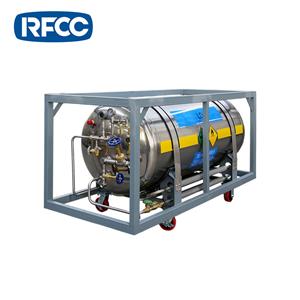
Ensuring the safety of CO2 gas cylinders under high pressure requires a multifaceted approach: advanced materials, precision engineering, rigorous testing, and proper maintenance. Hebei Runfeng Low Temperature Equipment Co., Ltd. excels in all these areas, providing cylinders that industries trust for safety and reliability. By choosing Hebei Runfeng, you benefit from decades of expertise, international certifications, and a commitment to quality that is unmatched.
Don't leave safety to chance. Contact Hebei Runfeng today to learn more about our CO2 cylinders and how we can support your operations. For a deeper technical insight, download our free white paper on high-pressure CO2 cylinder safety, or speak directly with our sales engineers to discuss your specific requirements. Your safety is our priority.