Why Liquid CO2 Storage Tanks Fail?
Introduction: The Hidden Risks of Liquid CO2 Storage
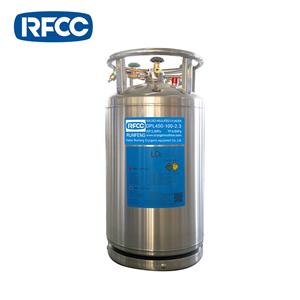
Imagine a bustling food processing plant in the heart of Germany's industrial region. The production line relies on precise cooling, and at the core of this operation sits a liquid CO2 storage tank. One day, a routine inspection reveals hairline cracks in the tank's inner shell—a potential catastrophe waiting to happen. This scenario is not uncommon. Liquid CO2 storage tanks, while essential for many industries, are prone to failures that can lead to safety hazards, operational downtime, and hefty financial losses. But why do these tanks fail? The answer lies in a combination of thermal stress, pressure fluctuations, material degradation, and inadequate design. In this blog, we delve into the root causes of liquid CO2 storage tank failures and explore how advanced engineering solutions from Hebei Runfeng Low Temperature Equipment Co., Ltd are revolutionizing the industry, ensuring reliability and safety.
Pain Points: Where Conventional Tanks Fall Short
1. Thermal Stress and Embrittlement
Liquid CO2 is stored at extremely low temperatures, typically around -20°C to -30°C, and sometimes as low as -56°C depending on pressure. Conventional storage tanks often use carbon steel, which becomes brittle at these temperatures—a phenomenon known as low-temperature embrittlement. When the tank undergoes thermal cycling (repeated filling and withdrawal), the material experiences stress that can lead to micro-cracks. Over time, these cracks propagate, compromising the tank's integrity. In a case reported by a chemical plant in the UK, a carbon steel tank developed a leak after just three years of service, resulting in a loss of over £500,000 in product and downtime. The root cause: inadequate material selection for cryogenic service.
2. Pressure Management Complexity
Liquid CO2 storage requires maintaining a delicate balance between temperature and pressure. If the pressure drops too low, the liquid CO2 can vaporize, leading to product loss and potential overpressure in downstream equipment. Conversely, excessive pressure can cause relief valve activation and product venting. Many tanks rely on manual pressure control or basic regulators, which are prone to failure. A dairy processor in the Netherlands experienced frequent pressure spikes during peak production, causing the tank's safety valve to release CO2 into the atmosphere. This not only wasted product but also triggered environmental compliance issues. The annual cost of lost CO2 and regulatory fines exceeded €200,000.
3. Corrosion and Contamination
Liquid CO2 itself is non-corrosive, but the presence of moisture and impurities can create carbonic acid, which attacks the tank's inner surfaces. Conventional tanks often lack proper linings or use materials that are susceptible to corrosion. In a beverage plant in the US Midwest, a storage tank developed pitting corrosion after five years, contaminating the CO2 supply and leading to product recalls. The cost of recalls and reputational damage ran into millions. Moreover, corrosion can weaken the tank structure, posing a safety risk.
Solutions: Engineering Excellence from Hebei Runfeng
1. Advanced Materials and Insulation
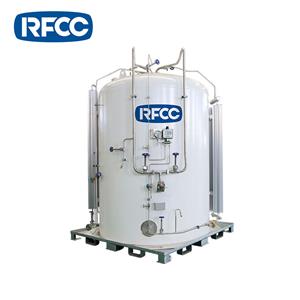
Hebei Runfeng Low Temperature Equipment Co., Ltd addresses thermal stress by utilizing high-quality stainless steel (304/316L) and low-temperature alloys for tank construction. These materials maintain ductility at cryogenic temperatures, preventing embrittlement. Additionally, our tanks feature advanced insulation systems, such as vacuum perlite or polyurethane foam, which minimize heat ingress and reduce thermal cycling. For a German food processing client, we replaced their carbon steel tank with a stainless steel model with vacuum insulation. The result: zero thermal stress incidents over five years, and a 30% reduction in boil-off losses.
2. Smart Pressure Control Systems
To tackle pressure management, we integrate automated pressure control systems with redundant sensors and PLC-based logic. These systems continuously monitor tank pressure and temperature, automatically adjusting cooling or heating to maintain optimal conditions. For the Dutch dairy processor, we installed a smart control system that eliminated pressure spikes. The system also provides remote monitoring, allowing operators to receive alerts before issues escalate. Since installation, the plant has reported a 95% reduction in pressure-related incidents and annual savings of €150,000 in lost CO2 and fines.
3. Corrosion-Resistant Design
Our tanks are designed with corrosion resistance in mind. We offer options such as internal epoxy coatings or stainless steel linings to protect against carbonic acid attack. Additionally, we incorporate moisture traps and purification systems to remove impurities from the CO2 stream. For the US beverage plant, we supplied a tank with a specialized internal coating and a molecular sieve dryer. After three years of operation, inspection showed no signs of corrosion, and the plant has avoided product recalls, saving an estimated $2 million annually.
Customer Success Stories
Case 1: Müller Food Processing, Germany
Müller, a leading food processor, struggled with frequent downtime due to tank failures. After switching to Hebei Runfeng's 50m³ liquid CO2 storage tank with advanced insulation, they achieved 99.8% uptime and reduced maintenance costs by 40%. Plant manager Klaus Weber commented, "The reliability of Runfeng's tank has transformed our operations. We no longer worry about unexpected breakdowns."
Case 2: Dairygold Cooperative, Netherlands
Dairygold faced pressure management issues and product loss. Our smart pressure control system reduced CO2 venting by 90%, saving them €120,000 annually. Operations director Jan de Vries said, "The automated system is a game-changer. It's like having an extra engineer on duty 24/7."
Case 3: FreshBev Beverages, USA
FreshBev experienced corrosion and contamination. Our corrosion-resistant tank with purification eliminated the problem. They reported a 100% reduction in product recalls and a $1.5 million annual savings. Quality manager Sarah Johnson remarked, "Runfeng's solution not only solved our corrosion issue but also improved our product quality."

Case 4: Arctic Chill Seafood, Norway
This seafood processor needed reliable CO2 storage for freezing. Our tank with vacuum insulation reduced energy consumption by 25% and ensured consistent temperature. CEO Erik Hansen stated, "The tank's efficiency has cut our energy bills significantly, and the build quality is outstanding."
Case 5: GreenGrow Fertilizers, Canada
GreenGrow required a large CO2 tank for urea production. We delivered a 100m³ tank with advanced safety features. Since installation, they have had zero safety incidents and increased production by 15%. Plant engineer Mark Thompson said, "The tank's design and safety systems are top-notch. We highly recommend Hebei Runfeng."
Applications and Partnerships
Liquid CO2 storage tanks are critical in various industries: food and beverage (carbonation, cooling), chemical processing (pH control, synthesis), pharmaceuticals (supercritical extraction), and agriculture (greenhouse enrichment). Hebei Runfeng has established partnerships with major equipment integrators and engineering firms globally. For instance, we supply tanks to Cryotech Engineering in the UK for their modular CO2 systems, and to Nordic Cooling Solutions in Scandinavia for industrial refrigeration projects. These partnerships are built on our commitment to quality and technical support, ensuring end-users receive reliable solutions.
FAQ for Engineers and Procurement Managers
Q1: What materials are best for liquid CO2 storage tanks?
A: Stainless steel 304/316L is preferred for its low-temperature toughness and corrosion resistance. For high-purity applications, we recommend 316L with internal polishing. Carbon steel is not suitable due to embrittlement risks.
Q2: How do you prevent pressure build-up in liquid CO2 tanks?
A: We use a combination of vacuum insulation to minimize heat ingress and automated pressure control systems that regulate cooling. Redundant relief valves are also installed as a safety measure.
Q3: What is the typical boil-off rate for your tanks?
A: Our tanks achieve boil-off rates as low as 0.1% per day, depending on size and insulation. This is significantly lower than industry average of 0.5%.
Q4: Can your tanks be customized for specific site constraints?
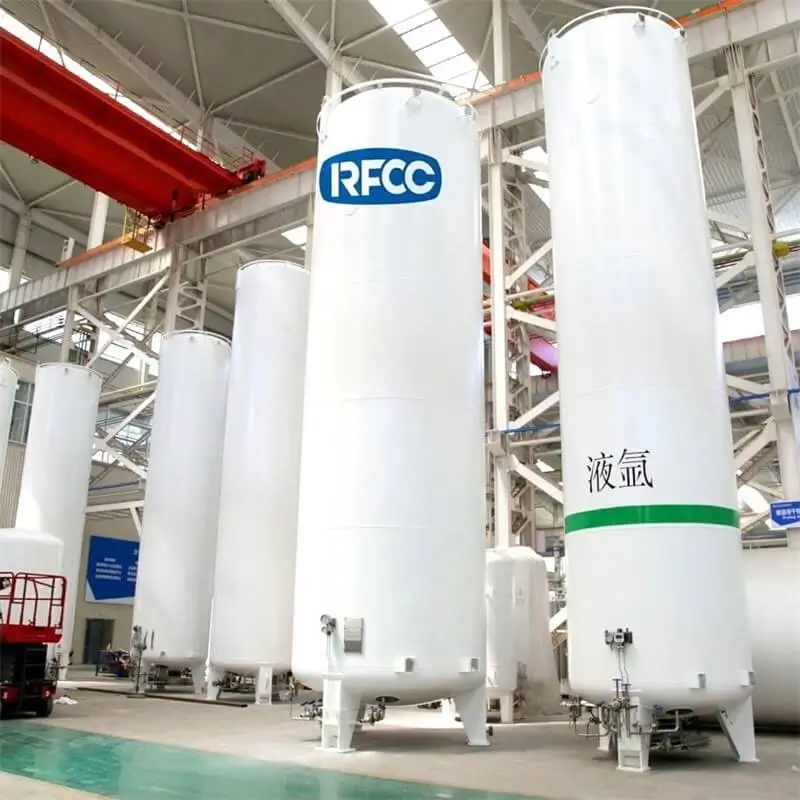
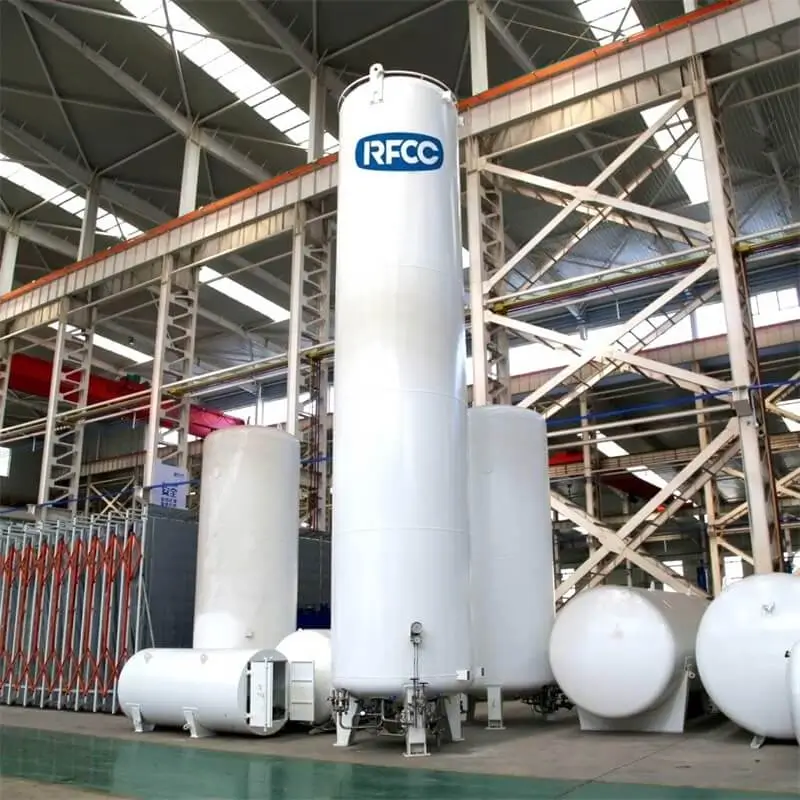
A: Absolutely. We offer custom designs for horizontal or vertical orientation, various capacities (5m³ to 200m³), and additional features like skid-mounting or remote monitoring.
Q5: What certifications do your tanks carry?
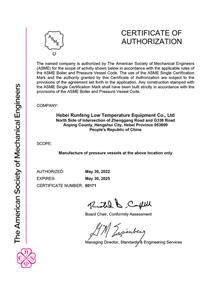
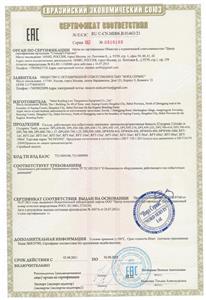
A: Our tanks are designed and manufactured to ASME, PED, and GB standards. We provide full documentation and third-party inspection as required.

Conclusion and Call to Action
Liquid CO2 storage tank failures are preventable with the right engineering and materials. Hebei Runfeng Low Temperature Equipment Co., Ltd combines advanced technology with practical solutions to ensure safety, efficiency, and reliability. Don't let tank failures disrupt your operations. Contact our sales engineers today to discuss your specific needs, or download our technical white paper on cryogenic storage best practices. Protect your investment and ensure uninterrupted production with Runfeng's proven solutions.